
The Myths Behind the Parthenon: Discover the Legends of Ancient Athens
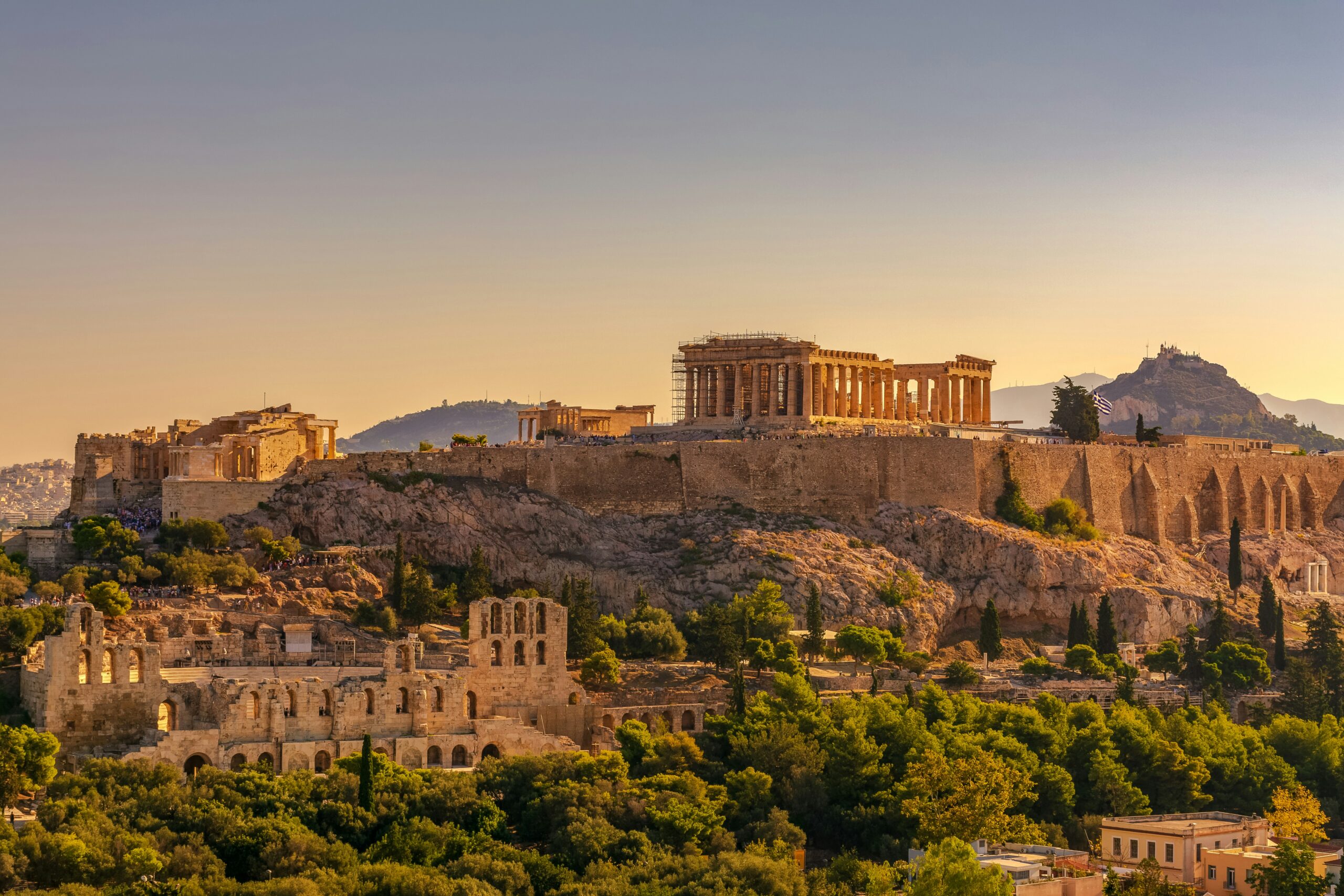
The Parthenon, perched atop the Acropolis, is one of the most recognized landmarks in the world. Built in the 5th century BCE, it honors Athena, the goddess of wisdom and war. But beyond its stunning design lies a world of myths and stories that bring ancient Athens to life.
The Battle of the Gods
One of the most famous myths tied to the Parthenon is the contest between Athena and Poseidon. According to legend, both gods wanted to become the patron of the city. Poseidon struck the ground with his trident, creating a saltwater spring. In response, Athena offered an olive tree, a symbol of peace and prosperity.
Ultimately, the people of Athens chose Athena’s gift. As a result, the city took her name. To this day, a sacred olive tree still grows near the Erechtheion, believed to be linked to the original myth.
Divine Design and Sacred Symbols
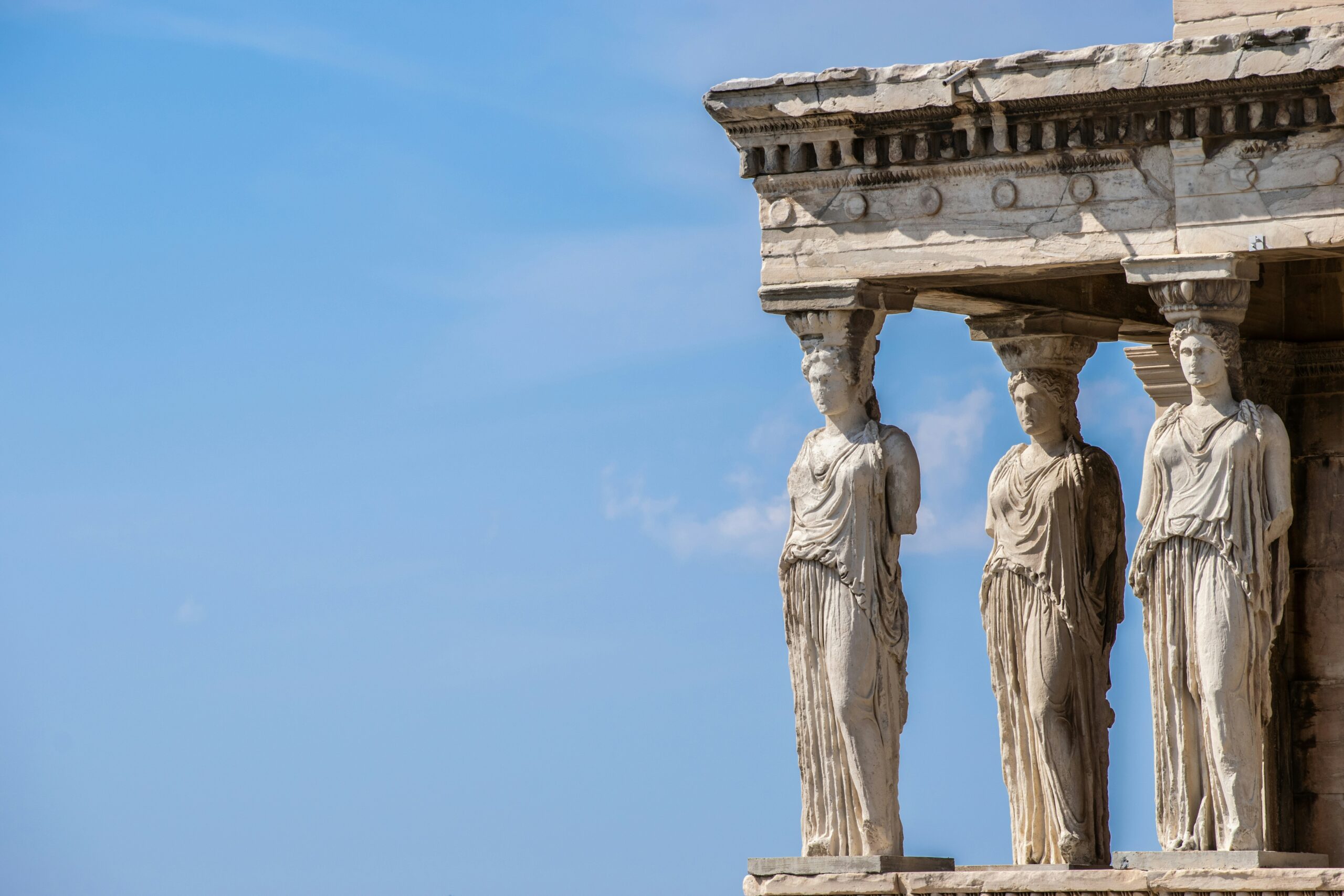
The Parthenon’s design has fascinated historians and architects for centuries. Some believe it follows the golden ratio, a pattern found in nature and used in sacred geometry. Others say it was built to align with the stars, reflecting the gods’ influence in daily life.
In addition to its architectural wonders, the Parthenon once held a massive statue of Athena Parthenos. Made of gold and ivory, it showed her holding Nike, the goddess of victory. Although the original statue no longer exists, its image remains in replicas and ancient texts.
A Living Legacy
The Parthenon isn’t just a ruin—it’s a story in stone. Each column and carving reveals something about the beliefs, values, and vision of ancient Athens. Walking its grounds, you can still feel the power of its myths.
Experience the Stories Firsthand
Want to go beyond the history books? Contact us for a personalized tour of Athens, tailored to your interests, schedule, and budget. Our expert local guides will take you through the myths, monuments, and mysteries that define this incredible city.